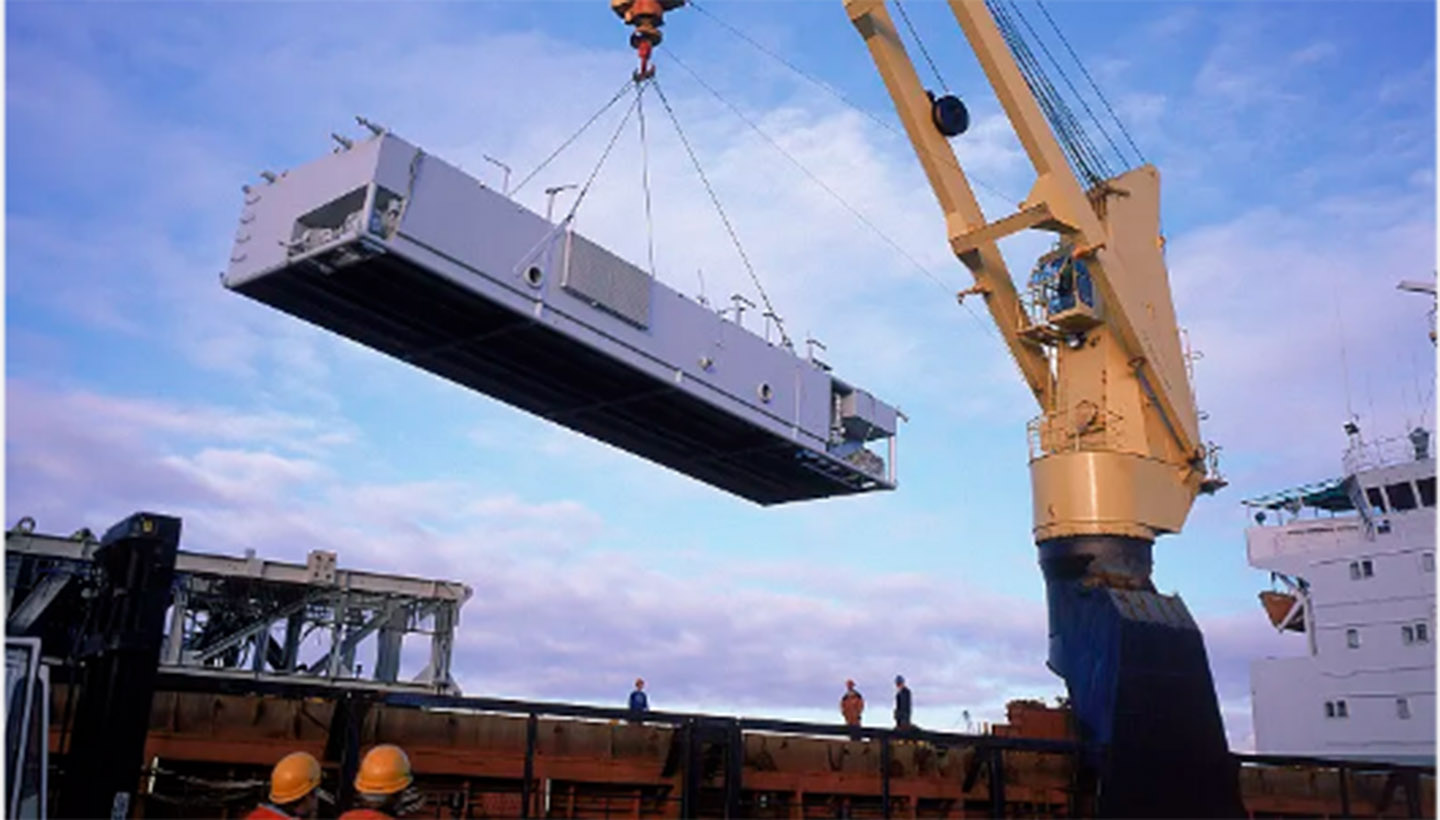
Efficient Automotive Warehousing Solutions Unveiled to Improve Logistics

By:Admin on 2023-12-02 05:18:00

Title: Automotive Warehousing: Revolutionizing the Storage and Logistics IndustryIntroduction:In a world constantly evolving through technological advancements, it is imperative for businesses to adapt and embrace innovative solutions to stay competitive. Automotive Warehousing (AW), a leading player in the storage and logistics industry, has consistently demonstrated its commitment to revolutionize the automotive sector by providing cutting-edge warehousing solutions tailored to meet the demands of the industry. With a forward-thinking approach and state-of-the-art facilities, AW aims to streamline operations, maximize efficiency, and ensure customer satisfaction.Streamlining Operations:AW's core focus is to streamline operations and optimize the efficiency of the storage and logistics process. By utilizing advanced technologies such as robotics, automation, and artificial intelligence, AW has reduced the time it takes to store and retrieve automotive parts and components. Traditional manual handling procedures have been replaced, ensuring minimal errors and reducing the risk of damage to valuable parts. These advancements have not only expedited operations but have also set new benchmarks for productivity in the industry.State-of-the-Art Facilities:AW's storage facilities are designed and built to meet the specific needs of the automotive industry. With a keen understanding of the importance of maintaining optimal environmental conditions, AW's warehouses are equipped with advanced climate control systems that regulate temperature and humidity levels. This ensures the preservation of delicate automotive parts and components, preventing deterioration and extending their shelf life. Moreover, security measures, including 24/7 surveillance systems and access control protocols, guarantee the safety of stored goods, giving clients complete peace of mind.Innovative Inventory Management Systems:Recognizing the significance of efficient inventory management, AW has implemented state-of-the-art inventory tracking technologies. Through the use of RFID (Radio-Frequency Identification) systems and barcode scanners, AW enables seamless tracking and monitoring of automotive components, ensuring real-time visibility of inventory levels. This enables businesses to plan production and order fulfillment effectively, avoiding costly delays and optimizing overall supply chain operations.Enhancing Customer Satisfaction:AW takes great pride in delivering exceptional customer service and continually strives to enhance customer satisfaction. By understanding the unique requirements of each client, AW customizes their services to meet specific needs. AW's dedicated customer support team works closely with clients, providing regular updates, and resolving any queries or concerns promptly. Furthermore, with their efficient operations and inventory management systems, AW ensures on-time delivery, minimizing downtime for clients and increasing overall customer satisfaction.Commitment to Sustainability:In an era where sustainability plays a crucial role in decision-making, AW is committed to implementing sustainable practices throughout its operations. This includes the usage of energy-efficient technologies, reducing carbon emissions, and adopting eco-friendly packaging materials. By minimizing the environmental impact, AW showcases its dedication towards achieving a greener future for the automotive industry.Collaboration and Partnerships:AW recognizes the significance of collaboration to foster innovation and growth. Through strategic collaborations with automotive manufacturers, suppliers, and industry experts, AW aims to develop customized solutions that address critical industry challenges. These partnerships allow AW to stay at the forefront of technological advancements while strengthening its position as a leader in the automotive warehousing sector.Conclusion:Automotive Warehousing's unwavering commitment to revolutionizing the storage and logistics industry has earned them recognition as an industry pioneer. By embracing advanced technologies, providing state-of-the-art facilities, and prioritizing customer satisfaction, AW stands as a benchmark for excellence in the automotive warehousing sector. As the industry continues to evolve, AW will remain at the forefront, driving innovation, and shaping the future of automotive storage and logistics.

Read More

Efficient Supply Operations: Streamlining Processes for Increased Productivity

By:Admin on 2023-12-02 05:17:37

Supply Operations: Streamlining the Global Supply ChainIn today's fast-paced business world, efficient supply chain management plays a crucial role in the success of any organization. Recognizing this need, leading industry player {} has launched its new supply operations system, revolutionizing the way businesses manage and streamline their supply chain processes. This cutting-edge system promises to enhance operational efficiency, reduce costs, and improve overall customer satisfaction.{} aims to eliminate the complexities and inefficiencies that often plague supply chain operations. By leveraging advanced technologies and innovative strategies, the company intends to optimize the movement of goods throughout the global supply chain, from sourcing raw materials to delivering finished products to customers.The new supply operations system is built upon three key pillars: visibility, collaboration, and optimization. By enhancing visibility, {} provides real-time updates and insights into the entire supply chain ecosystem, enabling businesses to make informed decisions and respond swiftly to changes. This increased transparency ensures that companies can identify bottlenecks or disruptions early on, allowing for proactive problem-solving and minimizing potential risks.Collaboration is another critical aspect of the supply operations system. {} understands that effective collaboration among stakeholders is vital for a seamless supply chain network. With this in mind, the company provides a platform that enables suppliers, manufacturers, distributors, and customers to communicate and collaborate in real-time. Streamlined communication not only ensures better coordination and synchronization but also fosters innovation and continuous improvement across the supply chain.Furthermore, optimization lies at the core of the new system. By harnessing sophisticated algorithms and data analytics, {} helps businesses optimize their supply chain processes. This involves streamlining inventory management, reducing lead times, and maximizing the utilization of resources, ultimately leading to significant cost savings. By identifying patterns and trends, the supply operations system equips businesses with valuable insights, enabling them to make data-driven decisions for continuous enhancement.A key feature of the system is its compatibility with emerging technologies, such as artificial intelligence (AI), the Internet of Things (IoT), and blockchain. By integrating these technologies into their supply chain operations, businesses can further enhance efficiency, accuracy, and traceability. For instance, AI-powered predictive analytics can anticipate demand fluctuations and optimize inventory levels accordingly, minimizing the risk of stockouts or excess inventory. Similarly, IoT devices can provide real-time tracking and monitoring of goods in transit, ensuring their safe and timely delivery. Meanwhile, blockchain technology offers enhanced transparency and security, reducing the chances of fraud or counterfeiting.In addition to these technologically-driven advantages, {} aims to foster sustainability through its supply operations system. With a focus on reducing carbon footprints and promoting ethical sourcing, the company encourages businesses to opt for environmentally friendly practices and suppliers. By providing tools and metrics to measure and improve sustainability performance, {} contributes to the broader goal of creating a more sustainable supply chain ecosystem.The implementation of the new supply operations system is already yielding positive results for early adopters. Companies that have embraced {}'s innovative solution report noticeable improvements in their supply chain performance, including higher on-time delivery rates, reduced logistics costs, and increased customer satisfaction. These success stories further validate the potential and effectiveness of the system.As global supply chains become increasingly complex and interconnected, the need for streamlined operations and enhanced visibility is more critical than ever. With its new supply operations system, {} establishes itself as a leader in providing comprehensive solutions to optimize supply chain management. By leveraging advanced technologies and fostering collaboration, the company empowers businesses to overcome challenges, drive growth, and stay ahead in today's dynamic business landscape.

Read More

Efficient Transportation and Warehousing Solutions: Boosting Efficiency in Logistics

By:Admin on 2023-12-02 05:17:14

Transportation and Warehousing: A Crucial Component of Modern Supply ChainsIntroduction:In the rapidly evolving world of global commerce, transportation and warehousing play an integral role in ensuring the smooth flow of goods from producers to consumers. These critical components of the supply chain are responsible for facilitating the movement, storage, and distribution of goods to their final destinations. Despite technological advancements and innovations in recent years, the importance of reliable transportation and efficient warehousing cannot be overstated. This article will explore the significance of transportation and warehousing within the supply chain and discuss some key industry trends and challenges.Transportation:Transportation is the lifeblood of trade, providing the means to move goods across vast distances efficiently. Road, rail, air, and maritime transport are the primary modes of transportation utilized in the logistics industry. Each mode has its advantages and disadvantages, depending on factors such as distance, cost, and speed.Road transport remains the most popular mode due to its flexibility and accessibility. It allows for door-to-door delivery, even in remote locations. However, road transport is susceptible to traffic congestion, unpredictable weather conditions, and rising fuel prices, which can increase operational costs and delivery times.Rail transport offers a more sustainable alternative, particularly for long-distance shipping of bulk cargo. It enables the movement of large volumes of goods at lower costs, while being more environmentally friendly compared to road transport. Nevertheless, rail networks may be limited, causing potential challenges in reaching certain destinations. Air transport, on the other hand, is known for its speed and ability to transport high-value and time-sensitive goods. It is often the preferred choice for perishable goods, pharmaceuticals, and consumer electronics. However, air freight can be expensive and result in higher carbon emissions, posing environmental concerns. Lastly, maritime transport is the backbone of international trade, facilitating the movement of goods across continents. Large container ships can transport substantial volumes of cargo, making it a cost-effective mode of transportation for bulky items. However, maritime transport tends to have longer transit times, and port congestions can cause delays and disruptions in supply chains.Efficient Warehousing:Warehousing serves as the backbone of the supply chain, providing storage and value-added services to ensure the timely delivery of goods. With the rise of e-commerce and the need for faster order fulfillment, warehouses have evolved to become strategic hubs that play a critical role in meeting customer demands.Efficiency and accuracy are crucial in warehouse operations. Advanced technologies, such as automation, robotics, and artificial intelligence, have revolutionized the warehousing industry, improving inventory management, order picking, and overall operational efficiency. These technologies enable faster processing of orders, reducing lead times and increasing customer satisfaction.Moreover, the emergence of data analytics and supply chain visibility solutions has further enhanced warehouse management. Real-time data allows for better forecasting, planning, and optimization of inventory levels, minimizing stockouts and reducing holding costs. By leveraging these tools, companies can track and trace the movement of goods, ensuring transparency and accountability across the entire supply chain.Challenges and Future Outlook:Despite the advancements in transportation and warehousing, the industry faces several challenges. One such challenge is the rising cost of fuel, affecting transportation expenses and putting pressure on profit margins. The need to adopt sustainable practices to reduce carbon emissions also poses a challenge in an industry heavily reliant on fossil fuels.Additionally, the shortage of skilled labor and the need for continuous training to adapt to new technologies and processes hinder the industry's growth. Ensuring a highly skilled workforce is crucial to maximize the benefits provided by modern transportation and warehousing solutions.Looking ahead, the future of transportation and warehousing lies in fostering collaboration and embracing innovations. Closer collaboration between transportation providers, warehouses, and manufacturers can lead to improved coordination and streamlined processes. Implementing green initiatives and exploring alternative fuel technologies will be key in achieving a more sustainable and environmentally friendly supply chain.Conclusion:Transportation and warehousing remain vital aspects of modern supply chains, playing a crucial role in ensuring the efficient movement and storage of goods. The industry faces challenges such as rising fuel costs, the need for skilled labor, and environmental concerns. However, through strategic investments, technological advancements, and collaboration, these challenges can be overcome. As global commerce continues to evolve, transportation and warehousing will adapt and innovate to meet the ever-changing demands of the market, facilitating the smooth flow of goods from producers to consumers.

Read More